Clean air is essential for good health, yet much of the air pollution we breathe comes from everyday activities close to home. Fine particulate pollution (known as PM2.5) can travel deep into our lungs and bloodstream. It affects everyone’s health, but children, older people and those with existing health conditions are particularly vulnerable.
Two of the biggest sources of PM2.5 in towns are vehicle diesel engines left idling and domestic wood burning. Many people are surprised to learn that wood burners produce significant levels of PM2.5 pollution, even newer “Ecodesign” models. Studies have found that homes using Ecodesign stoves can have around three times more indoor particulate pollution than homes without them.
Switching off your engine when parked and exploring cleaner ways to heat your home can help improve air quality for you, your family and your neighbours.
If you have a wood burner, learning more about its impact is a good first step.
Explore a wealth of straight-forward information on all things air pollution at Clean Air Hub
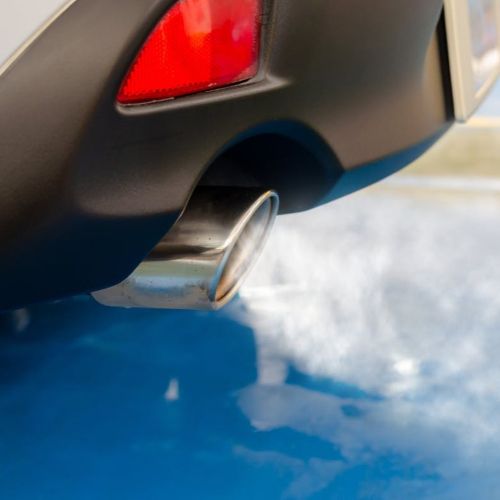
Where possible, switch off your engine when waiting or parked. This is particularly important in locations where there are high numbers of idling vehicle engines, such as outside schools and by bus stops – Reading Road and Bell Street are hotspots for this in Henley. Health is the main reason for switching engines off. Idling engines create air pollution both inside and outside the vehicle, so switching off benefits passengers as well as people nearby.
Learn more about the health impacts of wood burning and PM2.5 pollution at Clean Air Night. Their extensive FAQs section covers many of the most common questions about wood burners, wood burning and air quality.