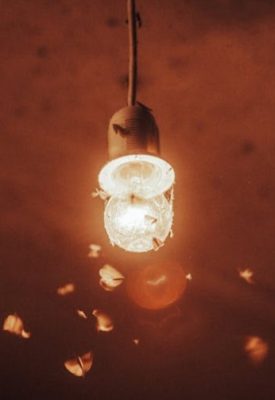
From bats and badgers to moths, owls and amphibians, much of the natural world comes alive after sunset – yet artificial lighting is increasingly disrupting these vital nighttime rhythms. Many animals and insects depend on darkness to feed, navigate, pollinate, hunt and rest, so light pollution can disturb migration, feeding and breeding patterns across whole ecosystems.
Bright lights on trees, rivers and gardens can also disorient insects and reduce pollination, with wider knock-on effects for nature. Simple changes – like only using outdoor lighting where needed, choosing warmer bulbs, shielding lights downward, or drawing curtains and blinds at night – can help protect the nocturnal world and bring back darker skies for wildlife and people alike.
If you’re planning to install external lighting, explore Buglife’s 5 simple recommendations to reduce the impact of artificial lighting on bugs and other wildlife.
Read our blog and find out why we’d rather see our iconic Henley Bridge by the natural light of the moon
Light pollution is one kind of pollution we can actually see, making it easier to do something about. Switching lights off when they’re not needed – and keeping indoor light contained by curtains or blinds – can make a real difference for creatures of the night.